
Sunscreen Chemical Safety: Why Concerns Should Not Be Dismissed

When concerns are raised about chemical sunscreen ingredients, the response is often too quick and too simple: there is no proof of harm, therefore there is no problem.
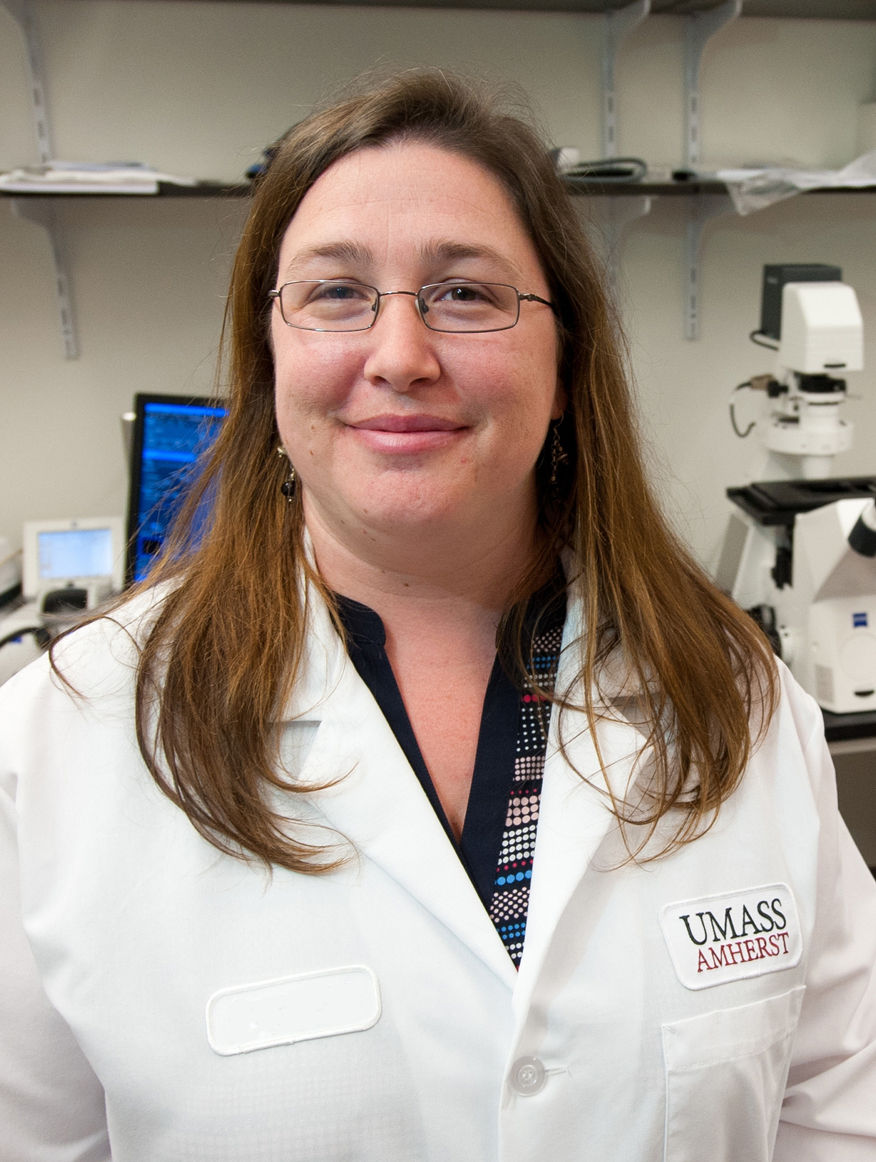
But environmental health scientist Dr Laura Vandenberg says that framing is wrong.
Responding to claims that human population studies have not shown harm from these ingredients, Dr Vandenberg told CNN: “that’s not really true.”
Vandenberg said she has concerns about some of these ingredients, including oxybenzone, which she researches in her lab. She said studies in cell cultures and research animals show that the chemical can mimic estrogen in the body, block the actions of androgens and alter thyroid hormone function — any of which could be problematic especially in vulnerable populations, for example a baby, a child going through puberty or someone who is pregnant and their fetus.
“Disruptions to hormones can lead to life altering changes, increased risk for disease,” she explained. “And those diseases might not show up for decades in a human.”
The problem with dismissing sunscreen ingredient concerns
In this CNN article, Vandenberg explained that the FDA asked manufacturers for more safety data because sunscreen use has changed. Sunscreen is not just applied as a small amount on holiday. Public health advice now encourages people to apply large amounts across exposed skin and reapply regularly. CNN reported that the FDA had asked for more data on 12 common sunscreen ingredients so they could be assessed for “Generally Regarded As Safe and Effective” status.
Vandenberg’s concern is that, when sunscreen is used properly, more of some chemical ingredients may enter the bloodstream than previously understood. She told CNN the concern is that “we don’t know enough” about safety.
That does not mean sunscreen should be abandoned. It means the regulatory standard should be stronger.
As Vandenberg put it, the lack of proof that ingredients are dangerous is “not the standard that we should have.”
Why endocrine disruption matters
Vandenberg researches endocrine disruptors. CNN reported that she has concerns about some sunscreen ingredients, including oxybenzone, because studies in cells and animals suggest it may mimic estrogen, block androgen activity, and alter thyroid hormone function. These are not minor pathways. Hormones help regulate growth, puberty, metabolism, reproduction, pregnancy, fetal development, and long-term disease risk.
Vandenberg warned that hormone disruption can lead to “life altering changes.”
This is especially important for vulnerable groups: babies, children, adolescents, pregnant women, and developing fetuses. The Australian Sunscreen Council believes these groups should be central to sunscreen safety assessment, not treated as an afterthought.
Evidence does not need to be perfect before regulators ask better questions
Vandenberg was careful not to overstate the evidence. CNN reported that she acknowledged correlation is not causation and that current human evidence does not prove that oxybenzone causes specific health outcomes in people.
That caution is exactly why her comments should be taken seriously. She is not making an anti-sunscreen argument. She is making a scientific and regulatory argument: where there are plausible biological mechanisms, population associations, systemic absorption, and repeated exposure, regulators should require better safety evidence.
The Australian Sunscreen Council supports that approach.
Mineral sunscreen as a practical risk-reduction option
Vandenberg told CNN that, in her own life, she leans towards physical sunscreen and uses it correctly. She also made clear that chemical sunscreen is still better than using nothing because “skin cancer is very real.”
That is the balanced position Australia needs.
Mineral sunscreens using zinc oxide or titanium dioxide provide an important option for consumers who want effective sun protection while reducing concern about organic UV filter absorption. Mineral sunscreen should not be presented as the only valid option, but it should be clearly available, accurately labelled, properly tested, and supported by regulators as part of a broader sun protection strategy.
The Australian Sunscreen Council position
The Australian Sunscreen Council does not support anti-sunscreen messaging. UV radiation is a serious carcinogenic hazard, and sunscreen remains an important public health tool.
However, we also reject the idea that ingredient safety concerns should be dismissed simply because they are inconvenient.
Australia should be leading the world in sunscreen safety by demanding:
stronger long-term safety evidence for chemical UV filters;
clearer assessment of endocrine activity;
better consideration of children, pregnancy, puberty, and high-frequency users;
transparent public communication from regulators;
support for mineral sunscreen innovation;
and a sun protection message that includes moderate sun exposure outside of peak UV hours, shade, hats, clothing, sunglasses, and sunscreen.
Vandenberg’s final message is one regulators should take seriously: consumers should “demand safer products.”
That is not anti-sunscreen. It is pro-consumer, pro-science, and pro-public health.
Dr Laura Vandenberg’s qualifications
Dr Laura Vandenberg is not a social media commentator or general wellness influencer. She is an environmental health scientist with direct expertise in endocrine-disrupting chemicals.
Her qualifications and roles include:
Associate Vice Chancellor and Vice Provost for Research and Engagement at the University of Massachusetts Amherst.
Professor of Environmental Health Sciences at the University of Massachusetts Amherst.
Expertise in endocrine disruptors, plastics and human health, plastic exposure, developmental biology, hazard assessment, and chemical exposure.
PhD in Cell, Molecular and Developmental Biology from Tufts University School of Medicine.
Bachelor of Science in Biology from Cornell University.
Research focused on how chemical exposures, especially early-life exposures, may contribute to disease risk later in life.
Work examining how low-dose chemical exposures during critical developmental windows can affect gene expression, cell differentiation, and tissue organisation, with possible relevance to cancer, obesity, and infertility.


